Preventing Accidents: The Importance of a Reliable Machine Guarding Fence
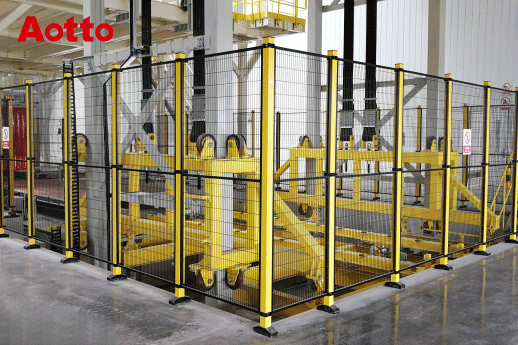



Preventing Accidents: The Importance of a Reliable Machine Guarding Fence
Understanding Workplace Injury Prevention
Workplace Safety Challenges & Common Injuries
In today’s industry environment, workshop safety solutions are not just a legal obligation - they are essential for maintaining productivity and protecting workers. Every year, thousands of injuries occur due to inadequate machine guarding. These incidents not only harm employees but also lead to costly downtime, compensation claims, and even reputational damage.
Regulatory agencies around the world, such as OSHA and the EU Machinery Directive, set strict workplace safety compliance requirements for manufacturers. One of the most effective ways to meet these standards is through the use of a machine guarding fence—a physical fence designed to prevent workers from coming into contact with hazardous equipment.
How Machine Guarding Fences Reduce Risks
Machine guard fencing system creates a safe perimeter around dangerous machinery, ensuring that operators, maintenance personnel, and visitors cannot accidentally enter hazardous zones. Compared to other manufacturing safety equipment, such as warning lights or alarms, a safety fence provides a reliable physical barrier that eliminates the risk of accidental contact. By implementing industrial protection system, businesses can significantly improve workplace injury prevention, protect valuable machinery, and maintain continuous production operations.
Types of Machine Guarding Solutions
Fixed safety fencing
Fixed machine guarding fences are built for permanent, large-scale installations such as automotive production lines, heavy-duty machining zones, and robotic work cells. Constructed from high-strength steel, these industrial fences deliver exceptional durability and stability, making them the ideal choice for facilities with long-term, fixed layouts.
Modular Safety Fencing
Modular safety fencing system allows for quick installation, relocation, or expansion. It’s especially useful for facilities with frequently changing layouts or multiple production lines.
Portable Safety Fence
Portable safety fence offers temporary protection for short-term projects, maintenance areas, or special events. Lightweight yet sturdy, it can be moved and reinstalled with minimal effort.
Key Features of Effective Machine Guard Fences
- Durability and Material Quality
High-quality steel or reinforced mesh ensures the fence can withstand heavy impacts and long-term use.
- Visibility and Accessibility
The fence should maintain clear visibility of the machinery while restricting access. Proper gate and lock systems allow authorized personnel to enter safely.
- Compliance with Workplace Safety Regulations
Your machine safety enclosures must meet all relevant workplace safety compliance standards, such as OSHA, ISO, and CE requirements.
Case Studies & Real-World Applications
Best Practices: Selection, Installation, Maintenance
- Assess Risks and Needs: Conduct a thorough hazard assessment before selecting your machine guarding fence.
- Follow Installation Guidelines: Ensure the fence is positioned at the correct safety distance from the machinery.
- Perform Regular Maintenance: Check for damage, loose fittings, or corrosion to ensure long-term protection.
Conclusion: Investing in Safety for Long-Term Benefits
A reliable machine guarding fence is more than just a fence—it’s an investment in employee safety, regulatory compliance, and operational efficiency. With solutions like Aotto’s AOSAFF Steel Fence, manufacturers can effectively prevent workplace injuries, reduce downtime, and create a safer, more efficient working environment.
Frequently Asked Questions
Q: How high should a machine guarding fence be?
Most regulations require a height of at least 1.4–2 meters, depending on the application.
Q: What materials are best for heavy-duty guarding?
Steel with powder coating or galvanized finish offers excellent durability and corrosion resistance.
Looking for something else? Contact Aotto and our team will be happy to help.